Timber Crib Lock Installation
Categories:
SolutionsTimber Crib Lock Installation methods are a mass gravity retaining wall system. Versatile, strong, light weight, cost effective, fast and easy to install, timber crib walls are gaining in popularity, rapidly becoming a first-choice solution for main contractors in the UK. Aesthetically pleasing in appearance, timber crib lock walls can be further improved with geo-textile and a natural, green hydro-seeded finish.
For more information about Aarsleff Ground Engineering or to send in your enquiry, call 01636 611140 and speak to a member of our expert team today, or drop us an email
The Latest. News, podcasts & projects
Close
We use cookies to enhance our website and to track user behaviour.
You can set your cookie preferences here and read more on the cookies we use.
You can set your cookie preferences here and read more on the cookies we use.
A leading UK ground engineering specialist, focusing on multi-discipline excellence and value engineering. We design and deliver some of the UK’s largest ground engineering projects.

Our vision is to bring confidence to those constructing the landscape of tomorrow .
1947. Central Jutland, Denmark. Per Aarsleff borrowed 10,000 Danish Kroner from his father’s life insurance, bought an excavator, and founded Northern Europe’s leading contracting company.
Our biggest asset, our team is composed of the leading experts in ground engineering. Working with collaboration and cohesion at the core of our business, we can guarantee a quick and founded answer to all your questions.
We recruit and reward our people based on our ‘Step into the Blue’ company culture, where we embrace the core values of Life and Health, Trust, and Responsibility.
We do everything to ensure our team and yours work safely on our sites. With our core value of Life & Health, we see safety as a cultural pillar.
Our ISO accreditations are an assurance to you that we take governance seriously. Read our policies to discover more.
The projects that keep society running. Bridges, buildings, transit and rail facilities, embankment support, marine and offshore facilities, mines, airports, and water projects.

Keeping things turning. Sewage Treatment Works, Waste Water Treatment Works, Wind Farms and Wind Turbines, Biomass Plants, and Power stations.
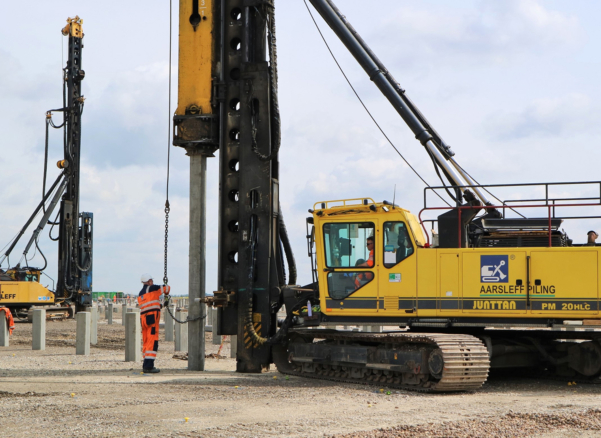
Meeting society’s needs. Nursing and care homes, MOD buildings, Schools and Universities, and small or large-sized residential developments.

Staying on the move. Remediation, bridges, and foundation work are integral to keeping the industry running smoothly.
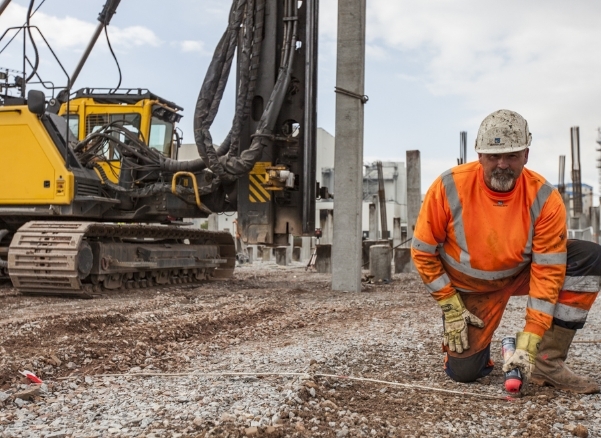
The landscape of the marketplace. Mega-retail sheds, distribution warehouses, University accommodation, and major supermarket and household name units.

Keeping things afloat. Ports and harbours, coastal defences, river embankments and inland waterways.

Supporting culture and learning with specialist piling and ground engineering. From museums and libraries to heritage sites and institutional buildings.